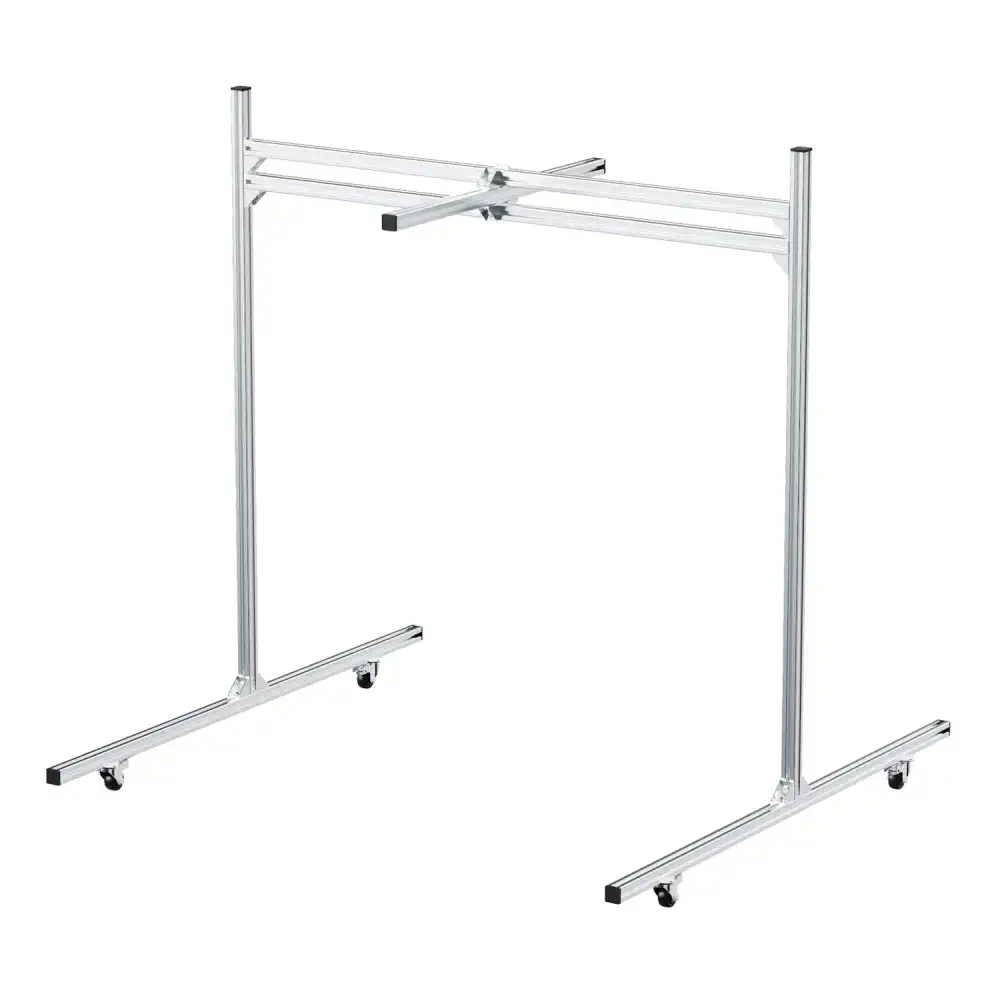
Unitree H1 Protection Bracket
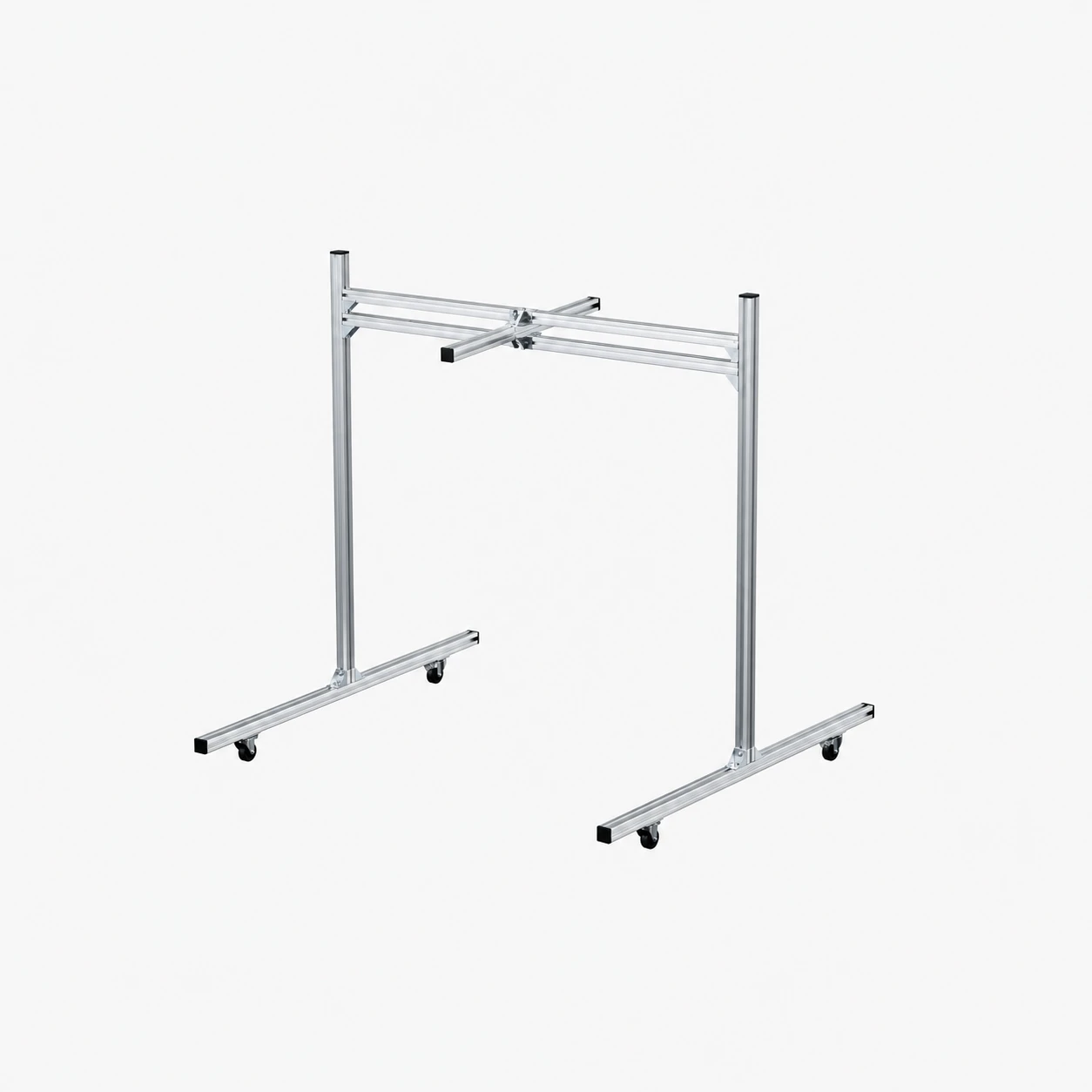
Unitree H1 protection bracket — the debugging crane for the H1 full-size humanoid. One ships with each robot by default; this is the extra or replacement unit.
- Unitree H1
About the Unitree H1 Protection Bracket
The Unitree H1 protection bracket is the debugging crane that keeps Unitree's first full-size humanoid on its feet through setup, testing and development. An official Unitree accessory, it stands on the floor beside the robot and takes its weight from above, so joints, sensors and shell never meet the floor when a test goes wrong.
Every H1 ships with one. This page is for the extra unit: a second test cell, a lab that runs more than one H1, a replacement for a frame damaged in transit or left behind at another site, or an order placed ahead of a new robot so the station is ready on delivery day.
One product, one version — there is nothing to configure. Order the frame, wheel it in, and the H1's test station is ready.
What Is the Unitree H1 Protection Bracket?
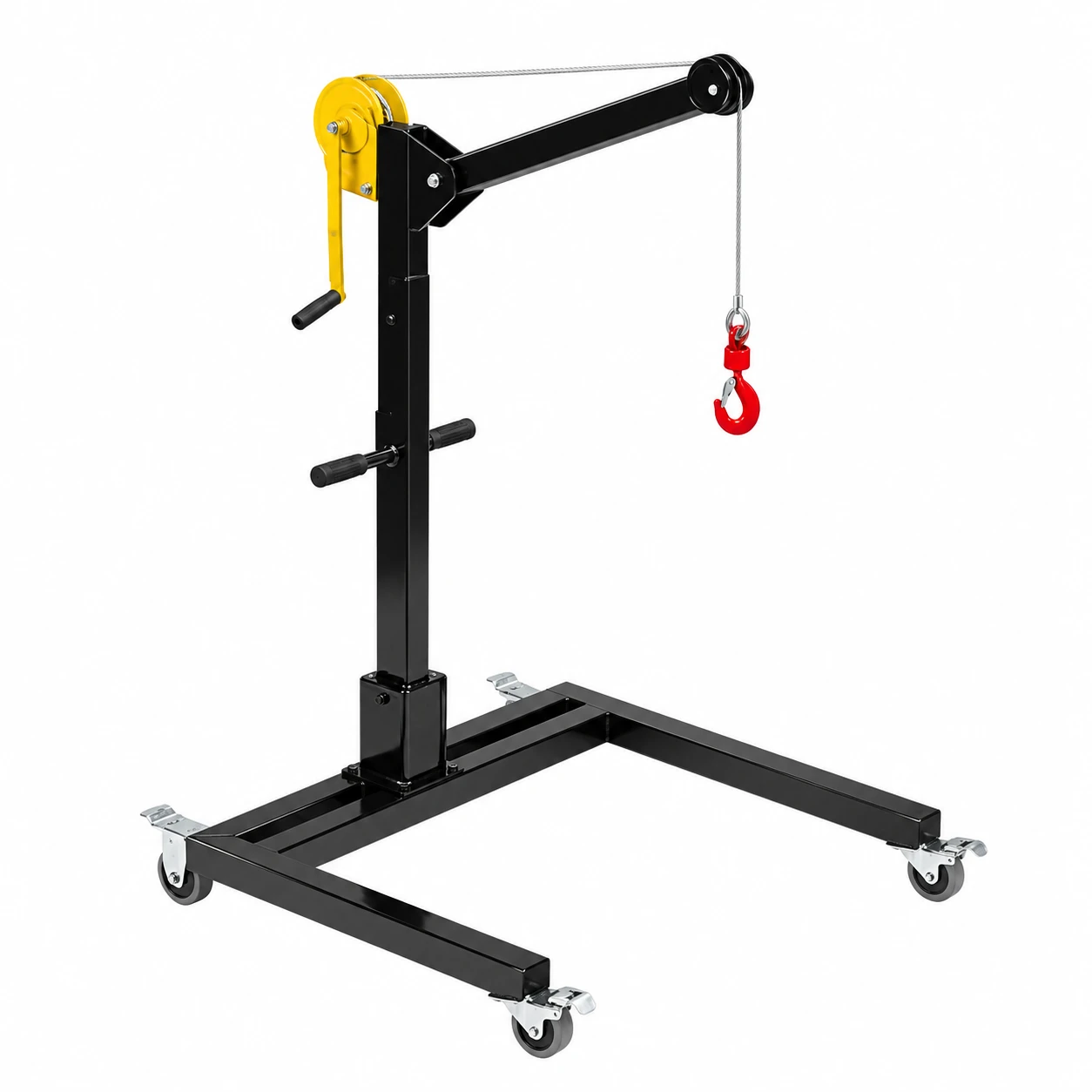
The Unitree H1 protection bracket is a single-mast crane on wheels. A U-shaped base rides on four locking casters and reaches around the robot's feet; a vertical mast rises from the back of the base, with a push handle for moving the frame; an overhead boom carries a pulley, and a hand-crank winch on the mast pays out a steel cable to a swivel hook above the robot's torso. Crank the winch and the hook takes up the robot's weight — enough to hold it upright, catch a stumble or lift it clear of the floor between tests. Black steel throughout and listed at 55 kg, so the frame stays planted when a full-size humanoid leans into it.
The same product goes by several names. Unitree's purchase configurator lists it as the debugging protection bracket; it also appears as the H1 gantry, H1 gantry support and H1 Series gantry. All describe this one crane. Like the Go2 and B2 protection brackets elsewhere on this site, it is one product in one version — no variants, no add-ons to price out.
One Ships With Every H1 — This Is the Extra Unit
Unitree builds the bracket into the H1's standard configuration: the H1 purchase configurator lists the debugging protection bracket with one set included by default, and extra sets charged separately. A first H1, in other words, never needs this page.
A second unit does. The included frame can only stand at one station, so a lab running two H1s, or one robot across two rooms, ends up wheeling the frame between them or testing without it. A spare also covers a frame damaged in transit, left at a previous site, or tied up in a long-term installation while a new robot arrives.
What the Unitree H1 Protection Bracket Is For
The Unitree H1 protection bracket earns its floor space in the sessions where a full-size humanoid is least predictable:
- First power-on and standing checks — the robot's first attempts to balance, stand and shift its weight, while the controller and the team are still learning each other
- Locomotion tuning and calibration — gait, balance and recovery code that repeats the same risky motion until it is right, with the hook ready for every failed attempt
- Payload and hand integration — fitting dexterous hands, sensors or tooling changes the robot's mass and balance; the crane keeps it upright while the new load is tested
- Demonstrations and training — a tethered robot is the right way to show a humanoid to a room of people or to let new operators take the controls
Which Robots Does the Unitree H1 Protection Bracket Fit?
The Unitree H1 protection bracket is built for the H1, Unitree's first full-size humanoid. Unitree's purchase configurator carries the debugging protection bracket as an H1 line item, and the same crane appears in the market as the H1 gantry and H1 Series gantry support.
Unitree's other platforms use their own frames sized to each machine. The H1-2's debugging protection bracket is carried as its own line item in the configurator, and the G1, R1 and H2 humanoids, along with the Go2 and B2 quadrupeds, all have their own supports.
- Fits: Unitree H1
- Other platforms: H1-2, G1, R1, H2, Go2 and B2 use their own supports
Specifications
| Type | Debugging protection bracket — single-mast crane for the H1 full-size humanoid |
| Configuration | U-shaped base on four locking casters, vertical mast with push handle, overhead boom with pulley, hand-crank winch, steel cable and swivel hook |
| Fits | Unitree H1 full-size humanoid robot |
| Dimensions (listed) | 108 × 44 × 33 cm |
| Weight (listed) | 55 kg |
| Shipping | Oversized parcel by courier |
Shipping & Service
The Unitree H1 protection bracket ships as an oversized parcel by courier — plan for a freight-sized delivery rather than a hand-carry accessory, and for a clear path to the test area once it arrives. The frame wipes clean, and its casters roll it into a corner whenever the robot is out working on its own. Every unit is 100% quality-inspected before it ships, so it arrives in perfect working order.
Last updated: October 2026.
Frequently Asked Questions
Can't find what you're looking for? Contact our