Unitree R1 Protective Gantry
Unitree R1 protective gantry — wheeled overhead winch frame that suspends the R1 humanoid for safe development and testing. Official Unitree accessory, fits R1, R1 AIR and R1 EDU.
- Unitree R1
- Unitree R1 AIR
- Unitree R1 EDU
About the Unitree R1 Protective Gantry
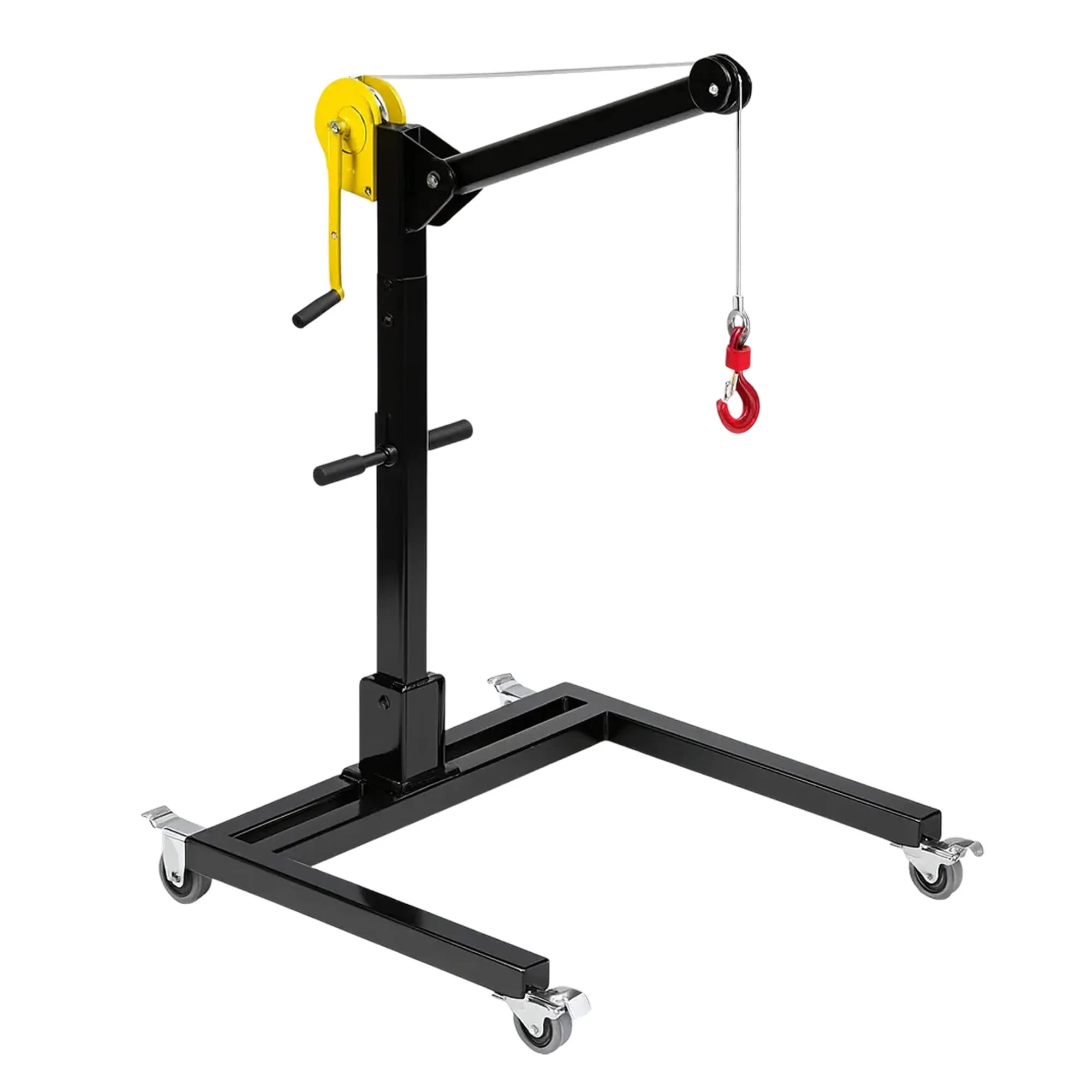
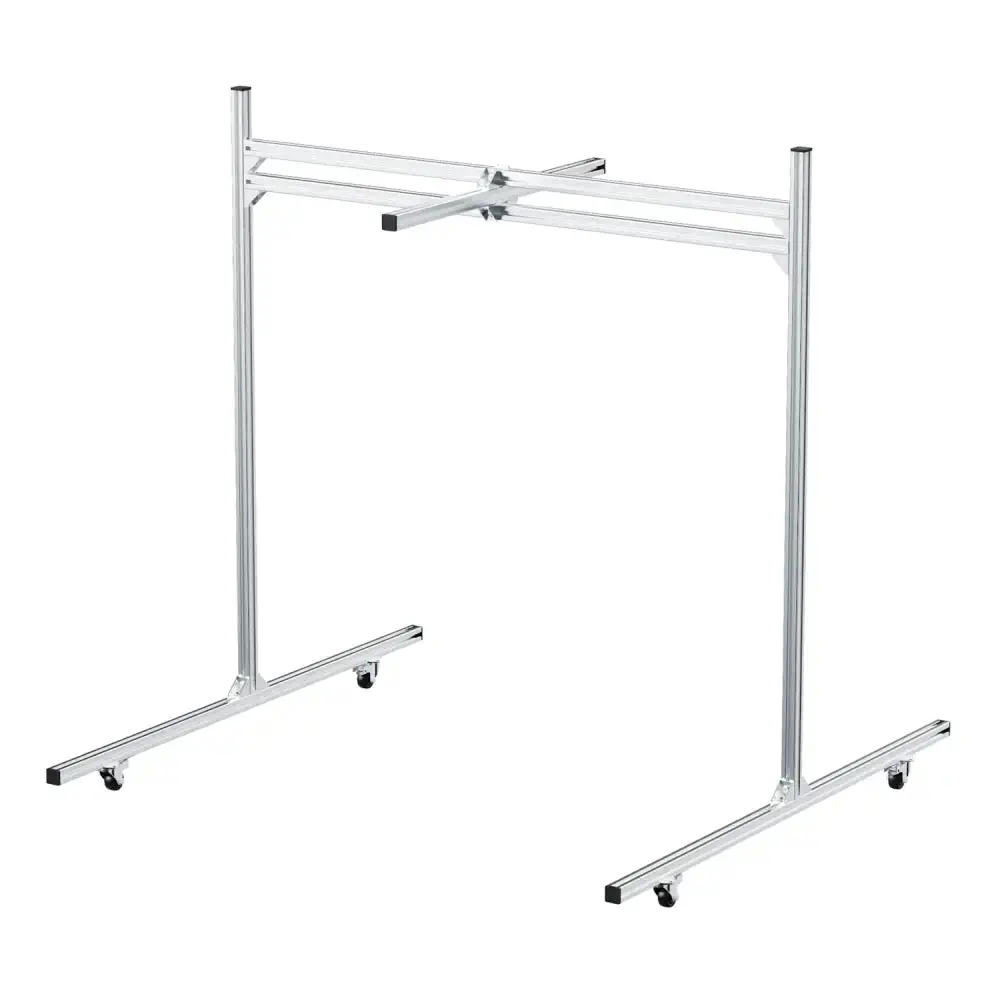
The Unitree R1 protective gantry is the official overhead safety frame for the R1 humanoid — a freestanding wheeled frame whose hand winch, steel cable and hook suspend the robot from above while it walks, stumbles and recovers during development. You may also see it listed as the R1 gantry or the R1 debugging gantry: one product, one version, several names.
Humanoid development means falling. Locomotion policies fail mid-stride, and a robot that meets a hard floor on every failed iteration collects damage no lab budget enjoys. Suspended from the boom, the R1 can stumble, catch itself or simply hang while the code keeps iterating — protecting both the hardware and the people working next to it.
One product, one version — there is nothing to configure. The Unitree R1 protective gantry fits the R1, the R1 AIR and every R1 EDU configuration.
What Is the Unitree R1 Protective Gantry?
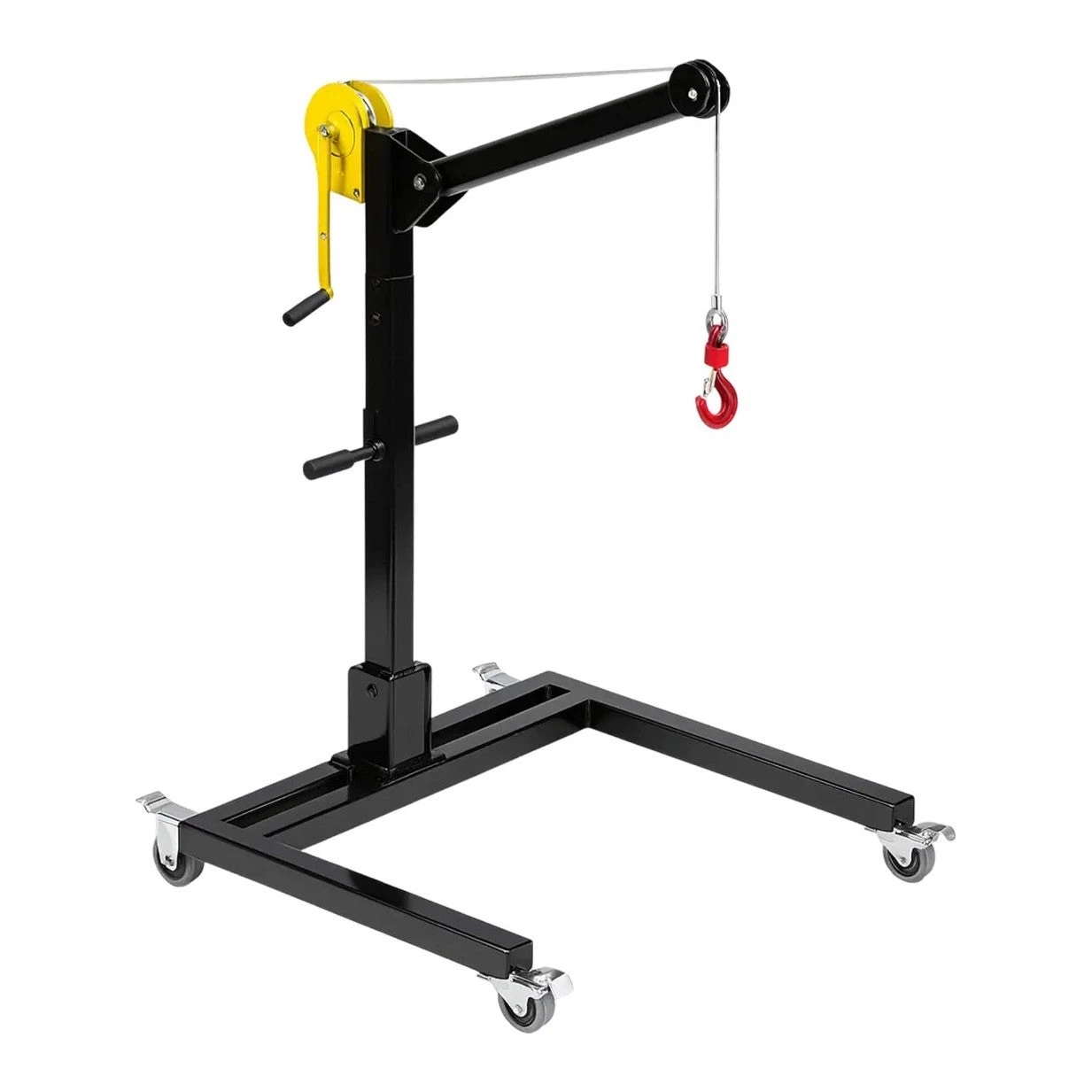
The Unitree R1 protective gantry is a freestanding frame on casters: a vertical mast carries an angled overhead boom, and a hand winch on the mast pays out a steel cable that runs over a pulley to a hook at the boom's end. The R1 clips to the hook and hangs secure from above — a failed step or a sudden power-down never becomes a fall to the floor. Winch the cable in or out to set the working height, from feet-on-floor walking tests to a full lift for hands-on adjustments.
Across retailers the same frame appears under several names — R1 protective gantry, R1 gantry and R1 debugging gantry. They all refer to this one official Unitree accessory; there is no separate protection frame product to cross-shop.
Buying an R1 EDU? Check Your Configuration First
Some R1 EDU configurations ship with a protective gantry as standard safety tooling, and exact contents vary by package. If yours arrived without one, or your lab needs a second frame at another bench, this is the same official unit sold separately.
Why R1 Labs Run Development Inside a Gantry
Early locomotion work is where the R1 takes its knocks. A reinforcement learning policy exploring a new gait falls often and without warning, and each fall risks bent joints and cracked shells on a robot this size. Running those sessions on the Unitree R1 protective gantry removes the consequence of failure: the robot can stumble, catch itself or simply hang from the boom while the code keeps iterating.
The same frame earns its floor space in calmer work too. Balance tuning, calibration, hardware integration tests and mechanical adjustments all go faster with the robot held steady at working height — no second pair of hands keeping it upright, and no propping it against a bench between tweaks.
Which Robots Does the Unitree R1 Protective Gantry Fit?
The Unitree R1 protective gantry is purpose-built for the R1 humanoid platform and fits every configuration of it: the R1, the R1 AIR and all R1 EDU setups. It is not a shared fit with Unitree's other platforms — the G1, H1 and H2 humanoids carry their own gantries, and the Go2 quadruped uses its own dedicated protection bracket.
- Fits: Unitree R1
- Fits: Unitree R1 AIR
- Fits: all Unitree R1 EDU configurations
- Other platforms: G1, H1, H2 and Go2 use their own solutions
Specifications
| Type | Wheeled overhead support frame (gantry) with hand winch, steel cable and hook — for humanoid development |
| Fits | Unitree R1 · R1 AIR · all R1 EDU configurations |
| Positioning | Winch-adjustable working height |
| Suspends | The roughly 29 kg R1 or R1 EDU (about 27 kg for the R1 AIR) — official Unitree figures |
Shipping & Service
The Unitree R1 protective gantry ships as one well-padded oversized parcel by express courier. The frame wipes clean, and its casters roll it into a corner of the lab when the robot is out walking on its own. Every unit is 100% quality-inspected before it ships, so it arrives in perfect working order.
Last updated: October 2026.
Frequently Asked Questions
Can't find what you're looking for? Contact our